
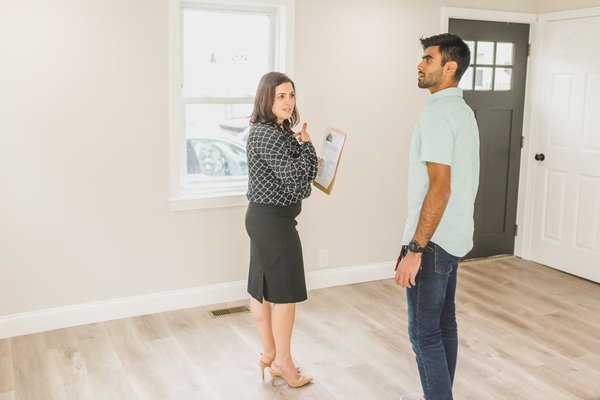
A home can look impressive during a quick viewing and still be a poor fit once you examine how it functions, what it may cost to maintain, and whether the location supports your daily life. A reliable house hunting checklist helps you slow down, compare properties consistently, and notice details that are easy to miss when you are excited or under pressure.
Bring this checklist to every showing, either printed or on your phone. Take notes immediately and photograph important features with permission. The goal is not to replace a professional inspection. It is to decide whether a property deserves a second viewing, deeper investigation, and possibly an offer.
Start With the Location
Check the street and surrounding area
Arrive early and look beyond the front door. Is the street noisy, difficult to park on, poorly lit, or congested? Notice nearby homes, pavements, shared spaces, vacant lots, and commercial properties. A renovated house may still be frustrating if its surroundings do not suit your routine.
Test the everyday journey
Consider commuting, schools, public transport, shops, healthcare, and parks. Revisit at another time if the property remains a serious option. Traffic, aircraft noise, nightlife, school-run congestion, and parking pressure can change considerably between daytime, evening, and weekends.
Look for location-related risks
Ask about flooding history, drainage, planned developments, shared access, and other local issues that could affect comfort, insurance, or resale value. Important details should later be checked through appropriate official records and qualified professionals.
Evaluate the Exterior
Scan the roof, walls, and drainage
From a safe position, look for missing roof materials, sagging sections, damaged gutters, large cracks, leaning structures, or gaps around openings. Check for standing water, damp marks, blocked drains, and ground that slopes toward the building. Record concerns on your home showing checklist for professional review.
Review outdoor space, parking, and boundaries
Consider maintenance, privacy, sunlight, fencing, storage, and safe access for children or pets. Confirm what parking is included and whether it works for your vehicle. Ask which paths, driveways, fences, or access points are shared; boundaries are not always obvious from landscaping.
Check the Layout and Daily Function
Walk through your normal routine
Imagine arriving with groceries, cooking, doing laundry, working from home, hosting visitors, and getting ready in the morning. Are rooms connected logically? Would furniture block doors or walkways? The most useful house hunting tips focus on how the property works, not simply how attractive it looks.
Measure important spaces
Staging can make rooms appear larger. Note dimensions and measure key walls, doorways, staircases, and storage areas. Check whether your bed, sofa, dining table, appliances, and other essentials will fit, especially in rooms with awkward corners or sloping ceilings.
Assess light, privacy, and noise
Open curtains and stand quietly in each main room. Consider natural light, overlooking windows, road noise, neighbouring properties, and sound travelling between floors. Lighting can improve a dark room, but orientation, external noise, and limited privacy are harder to change.
Examine the Interior Condition
Look beyond fresh decoration
Fresh paint is not automatically suspicious, but it can hide stains, cracks, or previous damage. Inspect ceilings, corners, window frames, skirting areas, and cupboards. Musty smells, bubbling paint, peeling finishes, discolouration, or soft flooring may indicate moisture or ventilation problems.
Test doors, windows, and floors
With permission, open several doors and windows. Check for sticking, drafts, broken locks, condensation between panes, and damaged frames. Walk slowly and notice sloping, bouncing, or uneven floors. These signs do not prove a major defect, but they warrant follow-up.
Check storage realistically
Inspect wardrobes, kitchen cabinets, utility spaces, loft access, basements, and outdoor storage where available. Think about coats, luggage, tools, bins, bicycles, and seasonal items. Inadequate storage often becomes a daily annoyance after moving.
Review Kitchens, Bathrooms, and Utilities
Check water and plumbing clues
Ask before testing taps, showers, and toilets. Observe pressure, drainage speed, leaks, stains, loose fittings, and mould around seals. Look beneath sinks and around appliances. Ask about the age, maintenance, and location of the hot-water and heating systems.
Consider the kitchen as a workspace
Evaluate counter space, storage, ventilation, appliance positions, and electrical outlets. A stylish kitchen may still need costly changes if its layout is inefficient or major appliances are nearing replacement.
Ask about heating, cooling, and power
Identify the main systems, electrical panel, visible wiring, ventilation, and energy-related features. Ask about system ages, service records, typical utility costs, and warranties. A qualified inspection should assess technical safety and performance.
Think About Costs and Resale Value
Separate repairs from preferences
Divide your notes into urgent work, near-term replacements, and cosmetic upgrades. A dated bathroom may remain usable, while an active leak needs attention. This helps estimate the real cost of ownership and keeps decorative issues from distracting you from serious concerns.
Check whether future plans are realistic
If you hope to extend, convert, remodel, or add parking, do not assume it will be permitted or affordable. Consider physical space, access, structural limits, neighbours, and local approval requirements. Seek specialist advice before basing an offer on a future alteration.
Consider the next buyer
Unusual layouts, limited storage, difficult access, persistent noise, poor parking, or highly personalised renovations may reduce future demand. A useful house tour checklist balances your preferences with features that support broad appeal.
Questions to Ask Before Leaving
Ask why the property is being sold, how long it has been available, whether a previous sale failed, what is included, and whether major repairs or renovations have been completed. Request documentation where appropriate. Also ask about ongoing fees, shared responsibilities, restrictions, known disputes, and the expected timeline.
Before leaving, note your three strongest positives, three concerns, likely repair costs, and unanswered questions. Compare properties after the viewing, when you can assess the evidence more calmly.
Frequently Asked Questions
What should a house hunting checklist include?
Include location, exterior condition, layout, room sizes, light, noise, moisture signs, windows, floors, storage, plumbing, utilities, parking, repair needs, future changes, and resale considerations.
Should I use the same checklist for every home?
Yes. Consistent criteria make comparisons more objective. Add property-specific questions, but keep the main checklist unchanged so one attractive feature does not overshadow significant weaknesses.
Does a viewing checklist replace a home inspection?
No. It helps you identify concerns and decide whether to proceed. Qualified inspectors or specialists should evaluate structural, electrical, plumbing, roofing, heating, cooling, and other technical conditions where appropriate.
How many times should I view a house?
There is no universal number, but a second viewing at a different time can reveal changes in noise, traffic, light, and parking while giving you another chance to measure spaces and review concerns.
Use Your Notes to Make a Clearer Decision
The best house hunting checklist does not tell you which property to buy. It gives you a repeatable way to separate excitement from evidence. By checking the setting, structure, daily function, condition, costs, and future appeal at every showing, you can ask better questions and approach an offer with greater confidence.