
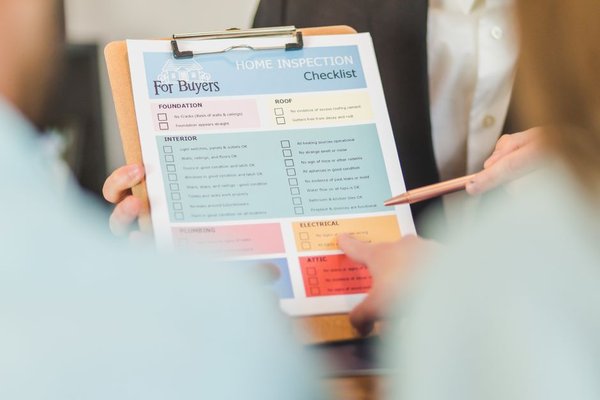
A home can look move-in ready while hiding problems that are costly to fix. That is why a home inspection checklist for buyers should go beyond fresh paint and attractive finishes. The real questions involve safety, water damage, structural condition, and major systems that could affect your budget after closing.
A professional home inspection helps you understand the property’s observable condition. This guide explains what inspectors generally examine, where their work stops, and how to turn their findings into useful decisions before you buy.
Before the Inspection: Prepare the Right Questions
Book an independent inspection promptly after your offer is accepted. Check the deadlines in your purchase agreement so there is time to review findings and arrange specialist evaluations if needed. Choose an inspector with appropriate qualifications and experience, ask for a sample report, and confirm what their inspection includes. Licensing requirements vary by state.
Share concerns you noticed during your viewing: a stained ceiling, sloping floor, musty basement, or unexpectedly cold room. Ask whether you may attend and whether accessible areas such as the attic, crawl space, electrical panel, and mechanical equipment can be reached safely. Having utilities operating makes normal system testing easier.
Bring your phone for notes and keep this inspection checklist handy. Remember that a standard inspection is visual and noninvasive. It cannot uncover every problem concealed inside walls or beneath floors.
Home Inspection Checklist: Areas That Matter Most
Foundation and Structural Components
Inspectors examine visible foundations, framing, and signs of movement. Watch for significant cracks, uneven floors, and doors that stick. These clues do not automatically prove structural damage, but they deserve explanation. Pay attention to whether surrounding soil slopes toward the house, increasing the potential for moisture problems.
Roof, Gutters, and Attic
Ask about roof coverings, flashing, drainage, and visible signs of leakage. Inside the attic, staining, damp sheathing, and inadequate ventilation may reveal concerns that are invisible from the street. Inspectors use safe, accessible vantage points, so they may not walk on every roof. Check which areas were not examined.
Exterior Walls, Doors, and Windows
Look for deteriorating siding, open joints, damaged masonry, soft window trim, and doors that do not close properly. Ask about window operation and obvious water-entry points. Loose railings, broken steps, and missing guards are more immediate safety concerns than minor cosmetic imperfections.
Plumbing and Water Heater
An inspector generally checks visible piping, fixtures, drainage, and water-heating equipment. Ask about active leaks, corrosion, water stains, poor flow, and toilets that move at the base. A standard inspection seldom includes a camera survey of underground sewer lines. Older properties or recurring drain problems may justify a separate sewer scope.
Electrical Safety
The inspector reviews accessible electrical equipment, visible wiring, and a representative selection of receptacles, switches, and fixtures. Concerns may include exposed wires, missing covers, unsafe connections, and signs of overheating. Ground-fault protection matters particularly around moisture. Never open electrical equipment or investigate hazardous wiring yourself.
Heating, Cooling, and Ventilation
Inspectors typically operate accessible heating and cooling systems when conditions permit and examine visible components, controls, and venting. Ask whether equipment responded normally and whether maintenance records are available. A functioning system is not a guarantee of long remaining service life; older equipment might need a qualified technician’s assessment.
Kitchen, Bathrooms, and Interior Rooms
Look for stains, soft flooring, unusual odors, damaged walls, and signs of leaks around showers, sinks, and windows. Inspectors also review accessible stairs, doors, surfaces, and appliances covered by their agreement. Worn paint usually matters less than recurring moisture or unsafe stairs. Ask how bathroom exhaust ventilation operates.
Basement, Crawl Space, and Garage
Accessible lower spaces may reveal standing water, dampness, visible deterioration, or pest-related damage. Ask about garage-door operation and safety features within the agreed scope. If storage, locked doors, or unsafe conditions prevented an area from being inspected, the written report should say so.
What a Home Inspection Usually Does Not Include
A standard home inspection does not involve opening walls, guaranteeing that every defect will be found, predicting exactly when equipment will fail, or confirming compliance with every building code. It is a snapshot of observable conditions at the time of the visit.
Separate services may be appropriate for radon, termites or other pests, mold sampling, sewer lines, wells, septic systems, pools, and detailed chimney examinations. Coverage depends on the inspector, location, property, and contract. Request the written scope rather than assuming those tests are included.
What to Do When the Report Arrives
Do not judge the property simply by the number of items in the report. Sort findings into urgent safety hazards, major defects requiring evaluation or costly repairs, and routine maintenance. A loose cabinet door is different from active roof leakage, unsafe wiring, or apparent structural movement.
Consider a practical example: the report identifies a basement wall stain and damp soil near a downspout. Instead of accepting a fresh coat of paint as the solution, ask whether moisture appears active, have a qualified professional investigate if warranted, and obtain a repair estimate. That gives you information you can use when deciding how to proceed.
Ask which concerns merit specialist review. Inspectors may recommend further evaluation but are not necessarily responsible for establishing exact repair methods or prices. Gather written estimates when substantial work is involved. Keep your contract’s inspection contingency and notice deadlines in mind: you may be able to negotiate repairs or credits, proceed as-is, or withdraw if your contract allows it. The seller may decline a request.
Buyer due diligence also means understanding the difference between an inspection and an appraisal. An inspection focuses on observed condition; an appraisal generally assesses value for lending purposes. For further guidance, explore home inspection red flags, inspection contingency terms, and home appraisal versus inspection before making your final decision.
Frequently Asked Questions
Should buyers attend the home inspection?
When permitted, yes. Seeing important findings firsthand helps you understand the report and ask questions. Stay clear of areas the inspector identifies as unsafe, and avoid disrupting their work.
How long does a home inspection take?
Many take several hours, depending on the home’s size, age, condition, and accessibility. Ask when the written report will arrive so you can plan around contract deadlines.
Can a house fail its inspection?
A typical buyer’s inspection is not a universal pass-or-fail test. It records observed concerns. However, lenders, local authorities, or particular loan programs may have separate property requirements.
What happens if the inspector finds a serious problem?
Discuss the issue with your inspector, consult a relevant specialist, obtain estimates, and review your options with your real estate professional or attorney before any contractual deadline.
Make the Checklist Work for You
The purpose of a home inspection checklist for buyers is not to locate a perfect home. It is to recognize risks while you still have choices. Pay closest attention to structure, water intrusion, roof condition, electrical safety, plumbing, and equipment. Then follow up on significant findings and make your purchase decision with clear information.