
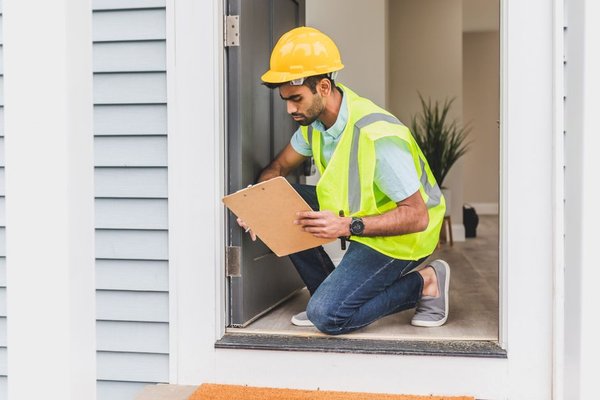
Your offer looks strong, until your agent says another buyer may waive the home inspection. Suddenly, skipping a safeguard feels like the price of winning the house. Yet the real risks of skipping a home inspection appear after closing, when problems you never investigated become yours to solve. A competitive offer should protect more than your chance of getting the keys.
What Does Waiving an Inspection Actually Mean?
Two decisions often get mixed together. Skipping a home inspection means not hiring a professional to assess the property before purchase. Waiving an inspection contingency can mean giving up your contractual right to renegotiate or cancel based on inspection findings, even if you arrange an inspection for information.
A properly written inspection contingency usually provides a specified period to investigate the home’s condition and respond under the contract’s terms. A waived inspection contingency reduces uncertainty for the seller, but shifts more home buying risk to you. Exactly what rights you surrender depends on the contract and local law.
The Hidden Defects That Matter Most
Foundation and Moisture Problems
A freshly painted basement may look dry during a sunny afternoon showing, yet take on water during heavy rainfall. Staining, uneven floors, foundation cracks and poor exterior drainage can signal problems that deserve further evaluation. Not every crack indicates structural failure, and an inspector cannot see behind walls, but an independent assessment helps distinguish routine wear from warning signs.
Roof, Plumbing and Electrical Issues
A roof may look fine from the curb while flashing or aging materials need attention. Running faucets reveal little about concealed pipe conditions. Inspectors can identify visible concerns involving electrical panels, heating and cooling equipment, plumbing fixtures and other major systems. Some problems call for a qualified electrician, plumber, roofer or structural specialist.
A standard home inspection is primarily visual and noninvasive. It does not guarantee that every defect will be discovered. Skipping it removes even that valuable first layer of scrutiny.
Problems Requiring Separate Tests
Radon, pest activity and buried sewer-line damage may require assessments beyond a general inspection. The U.S. Environmental Protection Agency recommends radon testing when purchasing a home. Ask what services the inspector includes and whether the property’s location, age or history suggests additional tests.
Why the Financial Exposure Can Surprise Buyers
Repair costs rarely arrive at a convenient time. After the down payment, closing expenses and moving bills, a new owner may have limited savings for urgent work. The cost of a waived inspection is not simply an inspection fee saved; it is the uncertainty accepted without knowing the likely repair burden.
Imagine a buyer offering $420,000 to beat competing bids. They skip the inspection and move in six weeks later. Persistent basement dampness then prompts specialist assessments and a hypothetical $14,000 repair plan. The amount is illustrative, not a typical estimate. The point is that the winning offer did nothing to reduce the underlying problem.
Do not assume a mortgage appraisal will catch everything. The appraisal generally addresses property value for the lender. Some loan programs also require particular property standards, but an appraisal is not a substitute for a buyer’s independent inspection.
The Contractual Risk of Losing Your Exit
An inspection report can support a request for repairs, a closing credit or a price adjustment. With a valid contingency, serious findings may also allow cancellation under agreed conditions. Without it, walking away could put earnest money at risk or create other contractual consequences.
Seller disclosure forms do not eliminate uncertainty. Obligations vary by jurisdiction, and owners may not know about a hidden defect. An as-is listing also does not necessarily erase disclosure duties. What matters is the specific contract, applicable law and information available before you sign.
Safer Ways to Keep an Offer Competitive
Offer a Realistic, Short Inspection Period
Ask local inspectors about availability before submitting your offer. A shorter inspection window may appeal to the seller while preserving essential due diligence. Leave sufficient time for follow-up assessments when serious concerns arise.
Limit Minor Repair Requests
Instead of surrendering every inspection protection, some buyers agree not to request small cosmetic repairs or items below a negotiated threshold. They may still retain rights concerning major defects. Contract language is critical: ask a local real estate attorney or knowledgeable agent to explain whether a proposed clause also limits your ability to cancel.
Consider a Pre-Offer Inspection
With seller permission, an inspection before bidding can reveal concerns before you become contractually committed. You may pay for an inspection and still lose the house, and access may be limited. Even so, it is different from making an uninformed offer.
Flexible closing dates or well-organized financing documentation can also make an offer appealing. Review a first-time home buyer checklist and common home buying mistakes before deciding which concessions are worth making.
A Five-Minute Risk Check Before You Sign
Ask yourself what would happen if the home required a major repair in your first month. Do you have accessible savings beyond moving costs? Have you reviewed permits, seller disclosures and the age of major systems? Do you know what your contract allows if a serious defect appears?
Ask about prior water intrusion, foundation repairs and insurance claims where disclosures or records are available. These questions cannot replace an inspection, but they can expose gaps in your knowledge. A home inspection checklist can help you prepare specific questions for the inspector.
Frequently Asked Questions
Is an inspection waiver the same as buying as-is?
No. As-is generally describes the seller’s position on making repairs. Your contract may still allow an inspection and a right to cancel. Waiving an inspection contingency may remove that protection.
Can I inspect the property after waiving the contingency?
Possibly, if access is permitted. However, finding a problem does not automatically grant you a right to renegotiate or cancel. Read the agreement before assuming otherwise.
Does a lender’s appraisal replace a home inspection?
No. An appraisal addresses different questions, even when a loan program has property-condition requirements. A buyer-commissioned inspection is designed to assess visible condition concerns.
Is skipping the inspection ever a sensible choice?
It depends on the property, contract, available evidence and your capacity to absorb unexpected costs. For most buyers, retaining an independent inspection and meaningful contractual safeguards is the more prudent approach.
Protect the Purchase, Not Just the Offer
There is no perfect inspection and no risk-free home purchase. Still, learning about defects before closing gives you choices that may disappear afterward. The strongest offer is not necessarily the one with the fewest protections; it is one you can afford to live with long after the bidding war is forgotten.