
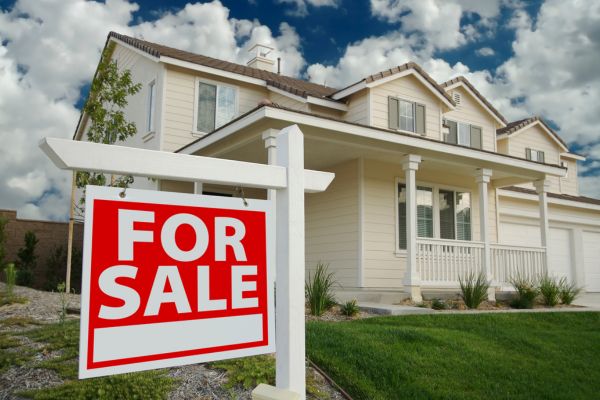
Selling a home can feel exciting and overwhelming at the same time. One moment you’re imagining the next chapter of your life, and the next you’re stressing over paint colors, paperwork, and whether buyers will notice that tiny crack in the wall. Let’s be real, it’s a lot. That’s exactly why having a solid Checklist for selling your home matters so much.
This isn’t one of those stiff, robotic guides that sounds like it was written by a legal department. This is practical, honest advice—like a friend who’s been through the process and wants to save you some headaches. So grab a coffee, take a breath, and let’s walk through a complete checklist for selling your home, step by step, without the fluff.
Understanding Why a Checklist for Selling Your Home Is Essential
Before diving into the details, it helps to understand why a checklist matters in the first place. Selling a home isn’t just about putting up a sign and waiting for offers. There are emotional decisions, financial considerations, and timing issues all tangled together. Without a clear checklist for selling your home, it’s easy to forget key steps or make rushed decisions you’ll regret later.
A checklist gives you structure when everything feels chaotic. It keeps you focused, helps you prioritize, and most importantly, puts you back in control. The thing is, buyers can sense when a home has been prepared thoughtfully. And preparation often translates into better offers.
Getting Your Mindset Right Before Selling
One of the most overlooked parts of the checklist for selling your home is mental preparation. This is still your home, but soon it won’t be. That shift can be surprisingly hard.
You’ll need to start seeing your home through a buyer’s eyes. That means emotionally detaching, at least a little. The family photos, the quirky paint choices, the DIY projects you loved—all of that might not resonate with someone else. You know, and that’s okay.
Accepting this early makes the rest of the process smoother. When feedback comes in or negotiations start, you’ll be less likely to take things personally. And trust me, that mindset alone can save you a lot of stress.
Setting the Right Price From the Start
Pricing your home correctly is one of the most critical steps in any checklist for selling your home. Price it too high, and it may sit on the market longer than you’d like. Price it too low, and you could leave money on the table.
This is where research really matters. Look at comparable homes in your area that have sold recently, not just what’s currently listed. Pay attention to square footage, condition, upgrades, and location. The market doesn’t care what you need to make from the sale; it cares about value.
It’s tempting to test the waters with a higher price. But the thing is, the first few weeks are when your listing gets the most attention. Starting with the right price creates urgency and can even lead to multiple offers.
Preparing Your Home to Make a Strong First Impression
First impressions aren’t just important, they’re everything. Buyers often decide how they feel about a home within minutes, sometimes seconds. That’s why preparation is a major part of the checklist for selling your home.
Start with decluttering. Not a light tidy-up, but a serious one. Clear countertops, organize closets, and remove anything that makes rooms feel crowded. Less stuff makes spaces feel larger and more inviting.
Cleaning goes beyond the obvious. Windows, baseboards, light fixtures, and even door handles matter. A clean home signals care and maintenance, which builds buyer confidence.
Small repairs also make a big difference. Fix leaky faucets, squeaky doors, chipped paint, or loose handles. These little issues may seem minor, but together they can create doubt in a buyer’s mind. You want them focusing on the potential of the home, not a mental list of fixes.
Improving Curb Appeal Without Going Overboard
Curb appeal is another key part of the checklist for selling your home that people sometimes underestimate. The exterior sets the tone before anyone even steps inside.
You don’t need a full landscaping overhaul. Simple things go a long way. A freshly mowed lawn, trimmed bushes, clean walkways, and a welcoming front door can change the entire vibe. If the exterior feels neglected, buyers may assume the inside is too.
Sometimes, just a fresh coat of paint on the front door or new house numbers can modernize the look instantly. It’s about creating a warm, well-cared-for feeling from the very first glance.
Staging Your Home to Help Buyers Imagine Living There
Staging isn’t about making your home look like a magazine spread. It’s about helping buyers imagine themselves living there. This is a subtle but powerful part of the checklist for selling your home.
Neutral tones tend to work best because they appeal to a wider audience. You want rooms to feel flexible, not personalized to one specific taste. Rearranging furniture to improve flow can make spaces feel larger and more functional.
Lighting also matters more than people think. Open curtains, clean windows, and turn on lights during showings. Bright spaces feel more inviting and comfortable. You know, nobody wants to walk into a dark, gloomy house and feel unsure.
Taking Photos That Actually Sell the Home
In today’s market, most buyers first encounter your home online. That makes photography a non-negotiable part of the checklist for selling your home.
Good photos highlight space, light, and layout. They tell a story before a buyer ever schedules a showing. Blurry phone pictures or poor lighting can hurt interest, even if the home itself is great.
Professional photos are usually worth the investment. They make your listing stand out and attract more serious buyers. The more interest you generate upfront, the stronger your negotiating position later.
Writing a Listing Description That Feels Human
A listing description should inform, but it should also connect emotionally. This step in the checklist for selling your home is often rushed, and it shows.
Instead of just listing features, focus on lifestyle. Talk about morning coffee by the window, quiet evenings in the living room, or hosting friends in the backyard. Paint a picture, but keep it real.
Clear, honest descriptions build trust. Overhyping or using vague buzzwords can backfire when buyers finally see the home in person. Authenticity always wins.
Being Flexible With Showings and Feedback
Once your home is listed, things can feel unpredictable. Showings, open houses, and feedback start coming in. This phase is a big test of patience and flexibility in the checklist for selling your home.
Keeping your home show-ready can be tiring, especially if you’re still living there. But flexibility often leads to better results. The more accessible your home is, the more opportunities buyers have to fall in love with it.
Feedback can sting sometimes. You might hear things you disagree with. The key is to look for patterns instead of reacting emotionally to every comment. Constructive feedback can help you adjust and improve your chances of selling faster.
Navigating Offers and Negotiations With Confidence
When offers arrive, it can feel both exciting and stressful. This is where preparation pays off. Understanding your priorities is a crucial part of the checklist for selling your home.
Price matters, but so do terms. Closing timeline, contingencies, and financing strength all play a role. Sometimes a slightly lower offer with fewer complications is the smarter choice.
Negotiation doesn’t have to be aggressive or uncomfortable. It’s a conversation. Staying calm, informed, and realistic helps you make decisions you’ll feel good about later.
Handling Inspections, Appraisals, and Final Steps
After accepting an offer, the process isn’t over yet. Inspections and appraisals are standard, and they can bring up new challenges. This final stretch of the checklist for selling your home requires patience.
Inspection results may lead to requests for repairs or credits. Decide ahead of time what you’re willing to address. Appraisals can also affect the deal if the value comes in lower than expected. Staying flexible and solution-focused helps keep things moving forward.
As closing approaches, paperwork ramps up. Double-check documents, respond promptly, and keep communication open. The finish line is closer than it feels.
Wrapping It All Up
Selling a home is more than a transaction. It’s a transition. A thoughtful Checklist for selling your home keeps you grounded when emotions and logistics collide. From mindset to pricing, preparation to closing, every step builds on the last.
The thing is, no sale is ever perfect. There will be moments of doubt, a few bumps along the way, and probably at least one late-night worry session. That’s normal. What matters is being prepared, staying flexible, and trusting the process.
With the right checklist for selling your home, you’re not just selling a property. You’re setting yourself up for a smoother experience, better outcomes, and a confident move into whatever comes next. And honestly, that peace of mind is worth it.